
New Fruit Fly Species Discovered in India
Buzzing Biodiversity: New Fruit Fly Species Discovered in India (And Why It Matters for UPSC)
By Monica · August 15, 2026 · 540 words ·
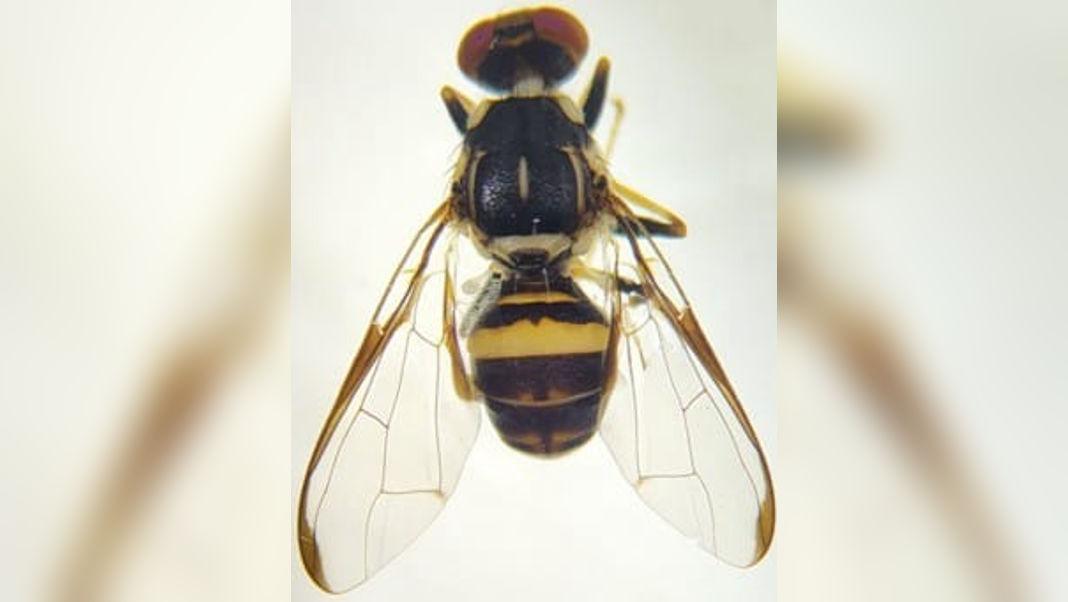
India’s biodiversity is a treasure trove that scientists are still actively decoding. Recently, entomological surveys in the biodiversity hotspots of Northeast India and the Himalayan foothills have unveiled some fascinating new additions to our faunal registry: new species of fruit flies.
While a fruit fly might seem like just another tiny insect, these discoveries are a goldmine of information. For nature enthusiasts, it's a thrilling win for taxonomy. But if you are a UPSC aspirant, this is prime current affairs material for your Environment, Ecology, and Agriculture syllabus.
Let’s dive into what was found, where they were discovered, and why these tiny creatures carry immense ecological and economic weight.
🌿 The Meghalaya Marvels: Citrus Pests in the Northeast
Recent surveys conducted in the Ri-Bhoi district of Meghalaya have brought some fascinating species to light. The region, known for its lush landscapes and unique agricultural products, revealed two brand-new species:
- Zeugodacus umiam: Discovered buzzing around the famous Khasi mandarin (which notably holds a Geographical Indication or GI tag).
- Zeugodacus nasivittatus: Found closely associated with sweet oranges and the Khasi mandarin.
Subcontinent Firsts: Beyond the brand-new species, scientists also recorded three fruit fly species for the very first time in the Indian subcontinent: Bactrocera abbreviata, Erectovena desperata, and Phorelliosoma hilaratum.
🏔️ The Himalayan Hidden Gems: Discoveries in Himachal Pradesh
Shifting focus to the cooler climates of Solan, Himachal Pradesh, researchers uncovered more hidden diversity in the Himalayan foothills:
- Acidoxantha paratotoflava: A striking greenish-yellow fruit fly easily identified by the four distinct black stripes on its thorax.
- Hemilea suneriae: A beautiful reddish-brown species sporting unique, intricate patterns on its wings.
A Taxonomic Milestone: This survey was particularly special because it marked the first time the genus Rhagoletis has ever been recorded in India.
📚 Decoding the Significance for UPSC Aspirants
If you're prepping for the Civil Services Examination, you know that the UPSC loves questions at the intersection of biodiversity, conservation, and agriculture. Here is how you should categorize these discoveries in your notes:
1. Biodiversity Mapping (Environment & Ecology)
These findings underscore the sheer richness of India’s under-documented insect taxonomy, particularly in the ecologically sensitive Himalayan and Northeastern ecosystems. It highlights the importance of continuous taxonomic surveys to understand endemic species before habitat loss threatens them.
2. Agricultural Impact (Economy & Agriculture)
Fruit flies belong to the Tephritidae family. Why does that matter? Because they are notorious economic pests. By laying their eggs inside fruits, they cause massive damage to horticulture, particularly citrus crops like the GI-tagged Khasi mandarin. Understanding these new species is critical for developing targeted pest-management strategies, protecting crop yields, and maintaining the market value of Indian agricultural exports.
3. Conservation Ecology
These surveys serve as a powerful reminder that natural forest habitats are not just "empty land." They act as vital ecological reservoirs, providing shelter and breeding grounds for rare, specialized insect lineages. Protecting these forests is directly linked to preserving the intricate web of life that sustains our broader ecosystem.
The Bottom Line The discovery of Zeugodacus umiam and its winged cousins is a perfect example of how dynamic India's natural environment truly is. Whether you are revising for your Prelims or structuring an answer for GS Paper III, remembering these tiny flies might just give you the edge you need!